Création de la Serpentine (1908)
Also known as Beginning of the Serpentine Dance
1908 · Silent film · 5 min · dir. Segundo de Chomón
- silent film
- dance film
Synopsis
In this beautifully colored picture we see a dancing master in his studio playing the violin and giving instructions to a number of beautiful maidens. They go through a minuet, and suddenly their costumes change before our very eyes, seemingly without the aid of human hands. A fellow enters, and is very much interested in the dancing lesson, but casts a spell over the group, and instantly we see them disappear into space. The visitor is then transformed into Mephistopheles and takes the dancing teacher into a large laboratory, where stands a large caldron and into which he pours some sort of fluid from a number of bottles. Stirring up the mixture, flames soon begin to shoot out, and with them a long piece of marvelously colored silk. When the cloth is shaken out a beautiful girl in flowing silk robes steps forth and dances the serpentine. As she trips around, other girls appear, and all group in a magnificent ensemble. The light effects are wonderful as they swing their draperies and gracefully go through many different figures. Finally they all disappear into a burst of flame.
Synopsis from OMDb
Details
- Director
- Segundo de Chomón
- Studio
- Pathé Frères
- Released
- 1908-09-03
- Original title
- Création de la serpentine
- Running time
- 5 minutes
- Language
- French
- Collection
- Segundo de Chomón, Silent Films, Feature Films
Subjects on the Internet Archive
- Gen X
- Silent Movie
- Fantasy
- Loie Fuller
- 1908
Cast & crew
 Segundo de Chomón Director
 Loïe Fuller
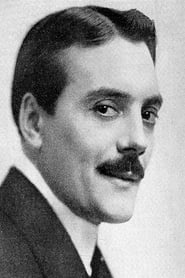 Max Linder
Reviews on the Internet Archive
★★★ · Max Linder · zigoto · 2017-04-04
More than a comedy or a dramatic film, the trick film depends on its visual appearance, without a sharp picture and especially without the colors, there is little left of what viewers in 1908 found praiseworthy: "The figures are so vivid and natural that they appear to be actually there, not mere pictures thrown on a screen" (MPW, Jan. 23, 1909). At least it has Max Linder, "the Motion Picture's first truly international Star", in it.