Call of the Wilderness (1932)
Also known as Trailing the Killer
1932 · Feature film · 64 min · dir. Herman C. Raymaker
- Western
- Adventure
Synopsis
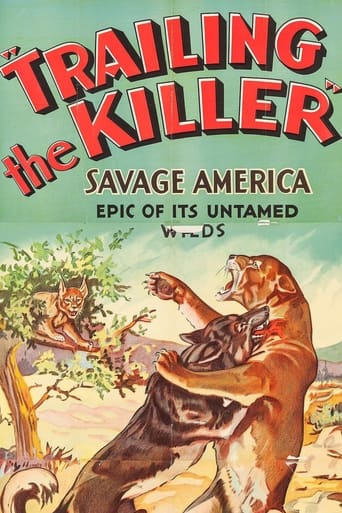
Trailing the Killer, also known as Call of the Wilderness and Lobo, is a 1932 American film directed by Herman C. Raymaker and released by Sono Art-World Wide Pictures.
Synopsis from Wikipedia
Details
- Director
- Herman C. Raymaker
- Writer
- Jackson Richards
- Cinematography
- Pliny Goodfriend
- Studio
- B.F. Zeidman Productions Ltd.
- Released
- 1932-10-16
- Running time
- 64 minutes
Cast & crew
- Herman C. Raymaker Director
 Francis McDonald
 Heinie Conklin
- Joe De La Cruz
 Pedro Regas
 Tom London
Reviews on the Internet Archive
★★★★ · for dog-lovers · cashel · 2004-08-04
The original title of this film was "trailing the killer" It was made in 1932(not in 1926). "trailing" refers to a dog named Caesar and a mountain lion is the "killer". Excellent b/w photography of natural scenery in the wilds of the JSA. Family type movie with a good story. The makers claimed that Caesar was a more intelligent dog than the famous Rin Tin Tin.
★★★ · Dumb! · ladycat · 2010-09-25
I think this is the stupidest dog movie I've ever seen. Very low budget and weak plot. The starring dog, Lobo, is supposed to be half hunting dog and half wolf, but obviously doesn't have a speck of wolf blood. He's just an ordinary German Shepherd. The she-wolf looks like a Husky. And anyhow, I don't think wolves have litters that large. Besides the fact it seems rather unlikely that a wild she-wolf would have mated with a domestic dog. The writers didn't seem to know much about wolf behavior. The only redeeming feature of this movie was a few interesting wildlife shots.
★★ · No animals were harmed in the making of this picture · Dr Feel Rotten · 2010-12-21
With the exception of the animals used in the making of this picture..If I'm not mistaken both Lobo AND the "she wolf" were both male which would make it kind of difficult to have puppies, but heck, it's HOLLYweird.. You have to kind of accept that audiences of the time were mainly city dwellers with little livestock experience so the producers could likely pull anything over on them..Few wildlife documentaries had been made then. it wasn't like PBS's Nature was a long running docudrama at the time.
Ernest Dubois · Ernest duBois · 2022-12-14
One aspect of the film is the pitfall of attribution in the absence of the all-seein eye of the camera under predatory conditions. It was clear to the audience that the conclusions of the mob were based on unfounded assumptions in place of evidence. Where domesticated livestock intrude on wilderness conflicts and loss of livestock are inevitable which has been the cause of predator elimination in the particular case of wolves in many places along with grizzly bear and others. Successful restoration, or a reversal of this ecological degradation depends on an independent intermediary employing…